
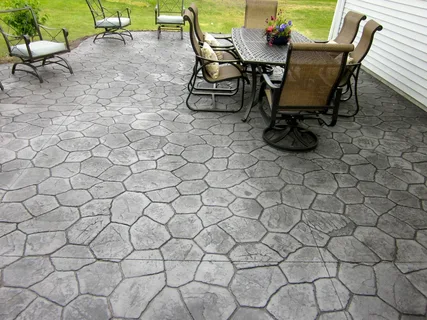
Stamped concrete is an excellent choice for homeowners and businesses looking to enhance outdoor and indoor spaces with a durable and visually appealing surface. It mimics the look of brick, stone, tile, or even wood while offering the strength and longevity of concrete. Whether you want to upgrade your patio, driveway, walkway, or pool deck, stamped concrete provides a cost-effective and stylish solution.
In this guide, we will explore the benefits of stamped concrete, popular design options, installation processes, maintenance tips, and cost considerations.
What is Stamped Concrete?
Stamped concrete is a decorative surface created by imprinting patterns and textures onto freshly poured concrete. The process involves using special stamps to mimic the look of various materials, combined with color treatments to enhance visual appeal.
Stamped concrete is widely used for:
- Patios
- Driveways
- Walkways
- Pool decks
- Courtyards
- Interior floors
Its versatility, durability, and affordability make it a popular alternative to natural stone, brick, and pavers.
Benefits of Stamped Concrete
Aesthetic Appeal
- Enhances the beauty of outdoor and indoor spaces.
- Mimics high-end materials like slate, cobblestone, and wood at a fraction of the cost.
Durability and Strength
- Resistant to heavy traffic, harsh weather, and UV exposure.
- Lasts for decades with proper installation and maintenance.
Cost-Effective Alternative
- More affordable than natural stone, brick, or tile.
- Reduces long-term costs due to minimal maintenance requirements.
Low Maintenance
- Requires occasional sealing to maintain color and durability.
- No need for regular repairs or weed control, unlike pavers.
Customizable Designs
- Wide range of colors, patterns, and textures to match any architectural style.
- Can be tailored to complement surrounding landscaping and home exteriors.
Popular Stamped Concrete Designs and Pattern
Stamped concrete offers endless design possibilities. Some of the most popular patterns include:
1. Stone-Inspired Patterns
- Ashlar Slate: Mimics natural slate with a sophisticated, textured look.
- Flagstone: Offers an organic, rustic appearance perfect for patios.
- Cobblestone: Ideal for walkways and driveways, adding Old-World charm.
2. Brick and Tile Patterns
- Herringbone Brick: Provides a classic and uniform brick look.
- Basketweave Brick: Traditional and elegant, great for entryways.
- Spanish Tile: Replicates Mediterranean-style flooring with warm tones.
3. Wood Textures
- Wood Plank: Offers the rich look of natural wood without the risk of rot or termites.
- Reclaimed Wood: A distressed, vintage-inspired option for modern rustic designs.
4. Custom and Unique Designs
- Geometric Patterns: Contemporary and stylish for modern homes.
- Seamless Textures: Provides a smooth, natural stone look without defined joints.
- Logo or Personalized Stamping: Great for commercial spaces or customized designs.
Stamped Concrete Installation Process
Proper installation is essential for achieving a durable and attractive stamped concrete surface. The process includes:
Step 1: Surface Preparation
- Excavation and grading to create a stable base.
- Adding a gravel layer for drainage and stability.
Step 2: Pouring and Coloring the Concrete
- Fresh concrete is poured and smoothed to the desired thickness.
- Color hardeners and release agents are applied for rich, natural hues.
Step 3: Stamping the Pattern
- Special rubber stamps are pressed into the concrete to create texture and patterns.
- Timing is crucial to ensure the imprints are crisp and well-defined.
Step 4: Curing and Sealing
- The concrete is left to cure for several days.
- A high-quality sealer is applied to enhance color, prevent stains, and protect against wear.
Maintenance and Care for Stamped Concrete
While stamped concrete is low-maintenance, following these tips will help extend its lifespan and keep it looking fresh:
Routine Cleaning
- Sweep or rinse regularly to remove dirt and debris.
- Use a mild detergent and soft brush for deeper cleaning.
Sealing the Surface
- Apply a concrete sealer every 2-3 years to protect against stains, moisture, and fading.
- Choose a sealer with UV protection to prevent color fading from sun exposure.
Avoid Harsh Chemicals
- Avoid de-icing salts in winter, as they can damage the concrete surface.
- Use gentle cleaning products to prevent erosion or discoloration.
Preventing Cracks and Damage
- Address minor cracks promptly with concrete patching products.
- Place rubber pads under heavy furniture to prevent pressure damage.
Cost Considerations for Stamped Concrete
Stamped concrete is an affordable alternative to natural materials, but costs can vary based on several factors:
Factors That Influence Cost
- Size of the Project: Larger areas require more materials and labor.
- Complexity of the Design: Intricate patterns and multiple colors may increase costs.
- Site Preparation: Grading, excavation, and base preparation affect overall pricing.
- Sealing and Finishing Touches: Adding a protective sealer or special finishes can add to the expense.
Why Choose Stamped Concrete for Your Home?
Stamped concrete is an excellent investment for homeowners looking to enhance their outdoor and indoor spaces. Here’s why:
- Enhances Curb Appeal – Creates an upscale look that complements landscaping.
- Long-Lasting and Durable – Withstands heavy foot traffic and weather conditions.
- Affordable Luxury – Offers the beauty of high-end materials without the high price tag.
- Customizable Designs – Available in a variety of colors and patterns to match any style.
Conclusion
Stamped concrete is a versatile and stylish way to upgrade patios, driveways, walkways, and more. With a wide range of colors, patterns, and textures, it provides a durable, low-maintenance, and cost-effective alternative to traditional materials.
Whether you are looking to create a stunning outdoor entertaining space or add character to your home’s entryway, stamped concrete offers endless possibilities. Ready to transform your space with stamped concrete? Start exploring designs today!