
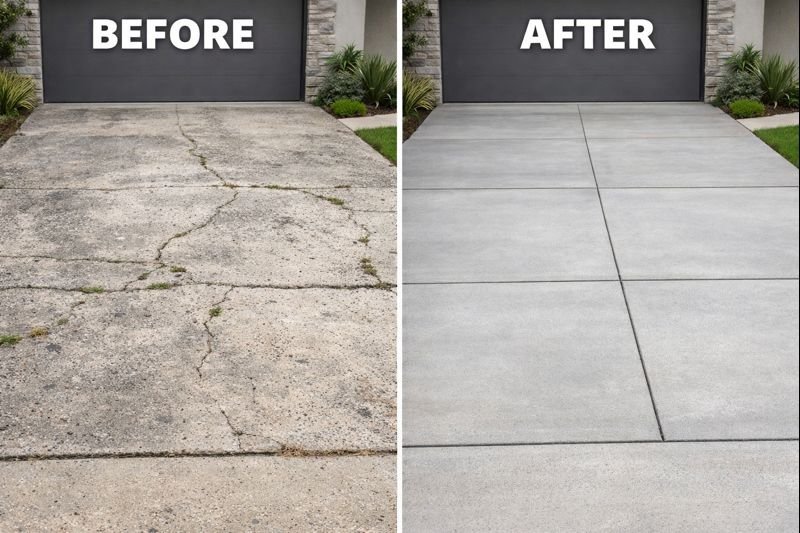
From decks to driveways, pathways to patios; it can be a bit overwhelming when it comes to deciding on the best way to pave your exteriors. While concrete may look like the more durable option, we’re here to tell you that pavers are better for the long term. Pavers handle heavy loads more easily and generally are manufactured in a way that makes them stronger than solid concrete blocks. If you’re debating between a paver installation and concrete service for your property, this is the blog for you.
- Concrete Or Pavers: Which Surface Lasts Longer
When it comes to your outdoors, it’s important to choose a surface that can withstand things like extreme heat, high humidity and frigid temperatures. But which surface should you choose? While concrete is great for a few decades, it’s brick or concrete pavers that ultimately provide moisture resistance and reliability for a long time.
Here is a look through a few ways to judge both materials.
- Flexibility
Large concrete slabs are…solid. Which means that they’re pretty rigid and resistant to movement. However, when it comes to soil movement or heavy traffic, it’s necessary that your driveways and patios are just a bit more flexible. So, in this round, individual pavers win over large concrete slabs.
- Seamless Repairs
Even if they do get cracked, pavers are pretty easy to fix. Just remove the damaged paver out of the ground and replace it with a new one for a seamless finish. On the other hand, concrete repairs often leave behind patches because the new concrete won’t perfectly match the rest of the surface—ruining the aesthetics and finish.
- Water Resistance
Whether it’s the sprinkler system, rain or snow, standing water can lead to degradation and stains. Since concrete is a flat and smooth surface, drainage might become a concern, however pavers are gapped, making drainage easy and promoting the durability of the pieces.
- Weight Handling
Your outdoor surfaces must deal with heavy vehicles like delivery trucks and dumpsters at some point. a thin concrete pathway may crack under the pressure. But, thanks to the fact that pavers distribute all the weight throughout different points, they’re less likely to get damaged, helping them last longer.
- Temperature Shifts
Okay, let’s take a look at the temperature next. If you live in an area with a variety of temperatures, you’ll need material that is resistant to the freeze-thaw cycle. A solid concrete slab can easily crack with expansion and contraction, but if you have multiple small pavers they’ll be less likely to show signs of wear and tear due to changing weather.
- Lifespan
You think concrete lasts forever? Wrong! Poured concrete generally has a lifespan of about 20-30 years. On the other hand, properly installed pavers can easily last around 30-50 years. So, pavers are far more durable.
- Chemical Damage
Concrete is porous. Which means that it absorbs chemical spills; so if you pour something like de-icing salt, it will eventually wear down the material. On the other hand, pavers are much denser, making them easier to clean, resistant to stains and easy to replace, so individual pavers it is for durability.
- Material Strength
Concrete pavers are generally manufactured in a way that makes them denser than poured concrete. this means that they can handle much more pressure—sometimes even up to 8000PSI. conversely, however, poured concrete doesn’t receive any special treatment, making your concrete service weaker by nature.
- Subgrade Issues
Since concrete, brick and porcelain pavers are celebrated for their flexibility, they don’t require the precise treatment that poured concrete does prior to installation. this means that you’re less likely to face subgrade issues with pavers, making them a much more durable surface material for your outdoors.
- Repair Costs
You also need to consider the expense of repairing your outdoor surfaces to determine their durability. When it comes to pavers, you’ll only need to replace a few individual pavers; costing between $6-25 on average. On the other hand, if it’s poured concrete you need to resurface or level, the price tag is easily somewhere between $1,500 and $5,000. So, going for pavers is better in the long term.
- Conclusion
Deciding between poured concrete and pavers when booking your concrete service is a bit tricky. While concrete is more pocket-friendly upon installation, over the years, the stains, chemical and moisture damage and temperature fluctuation will eventually get to you. compare all that to the superior flexibility of pavers, their budget-friendly repairs and longer lifespan in general, and you’ll see that pavers are the smarter long term investment. we hope this blog helps you make an informed decision. For further information, please ask.
- FAQs
What are the most popular types of pavers?
Some of the top pavers people go for include: concrete, slate, blue stone and brick.
How long does concrete take to dry?
Concrete usually takes 1-2 days to dry enough for light traffic.
Can sealing extend the lifespan of concrete?
Yes; sealing creates a protective layer against moisture damage, stains and fading.