
When it comes to improving your home, driveways are one of the first things that visitors notice. A well-maintained driveway not only enhances curb appeal but also adds to the overall value of your property. However, building or replacing a driveway can be expensive, which makes many homeowners wonder: what is the cheapest option for a driveway? In this guide, we’ll break down the most cost-effective driveway materials, their pros and cons, and some tips to save money while still getting a durable, functional driveway.
Understanding Driveway Costs
Before diving into the cheapest options, it’s important to understand what factors influence the cost of a driveway. These include:
- Material: The type of material you choose significantly impacts the cost. Concrete and asphalt are common but vary widely in price. Gravel and crushed stone are typically more affordable.
- Size and shape: Larger driveways or those with complex shapes require more material and labor, increasing costs.
- Labor: Professional installation ensures durability but adds to the total expense. DIY options can reduce costs but require time and effort.
- Location and permits: Some areas may require permits for new driveways, which can add to the expense.
Cheapest Driveway Materials
If your goal is to save money, you’ll want to consider materials that are both affordable and relatively easy to install. Here are the most cost-effective driveway options:
1. Gravel Driveway
Cost: $1–$3 per square foot (material only)
Gravel is widely recognized as the cheapest driveway material. It consists of small stones, typically 1/4 to 1 inch in size, that are compacted to form a stable surface.
Pros:
- Extremely affordable, both in terms of material and installation
- DIY-friendly: you can install it yourself with minimal tools
- Good drainage: water easily passes through gravel, preventing puddles
Cons:
- Requires regular maintenance to keep it level and refill stones
- Not ideal for areas with heavy traffic or snow removal
- Can shift or scatter over time, needing occasional topping up
Gravel driveways are perfect for rural homes or those on a budget who want a functional driveway without breaking the bank.
2. Crushed Stone Driveway
Cost: $2–$5 per square foot
Crushed stone is similar to gravel but made from larger, angular rocks. It compacts well and provides a firm surface for cars.
Pros:
- Affordable and durable
- Offers better stability than regular gravel
- Easy to install and maintain
Cons:
- Like gravel, it can shift over time
- Weeds can grow through the stones if not properly installed with a weed barrier
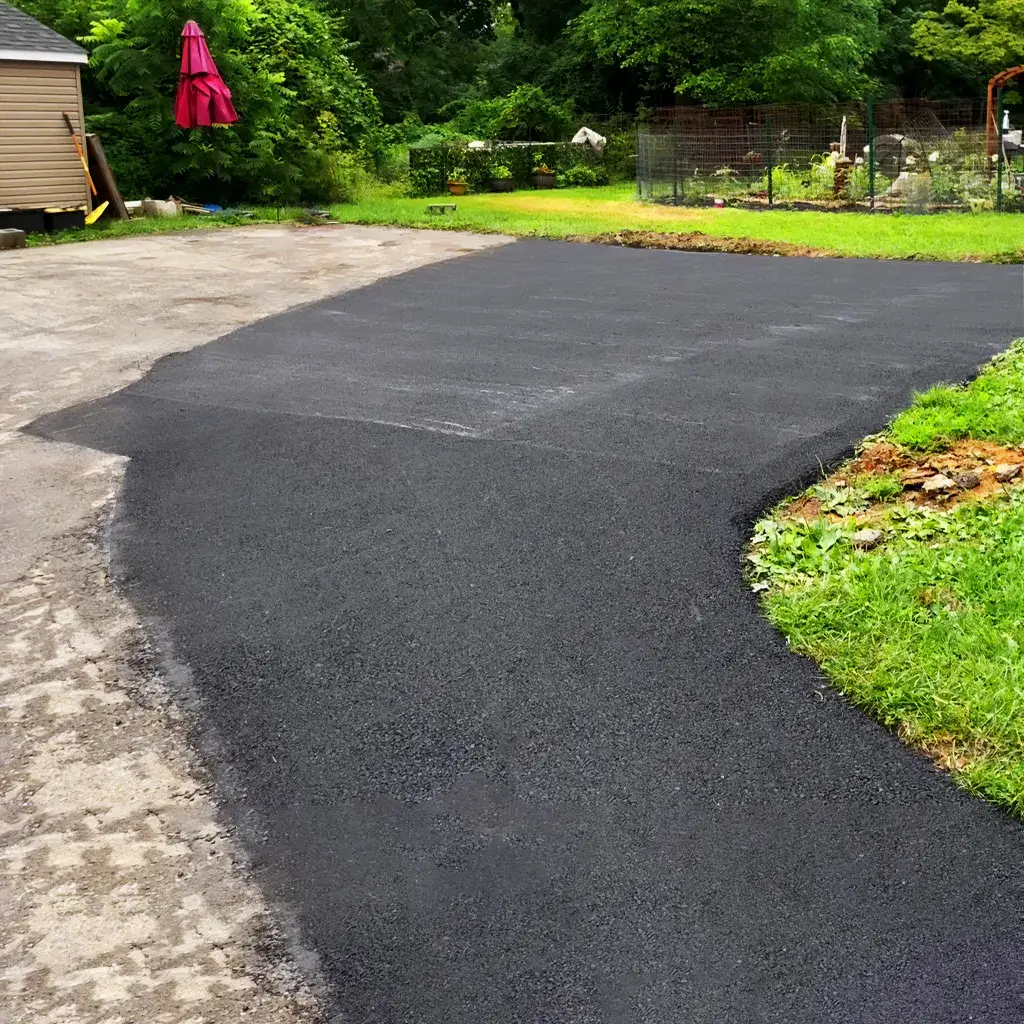
3. Asphalt Driveway
Cost: $3–$5 per square foot (material and installation)
Asphalt is another cost-effective option. While more expensive than gravel, it’s cheaper than concrete and creates a smooth, durable surface.
Pros:
- Durable and can last 15–20 years with proper maintenance
- Smooth surface suitable for all types of vehicles
- Can be patched easily if cracks appear
Cons:
- Needs regular sealing to maintain longevity
- Installation requires professional expertise
- Not as visually appealing as concrete or pavers
4. Concrete Driveway (Budget Option)
Cost: $4–$7 per square foot
Concrete is more expensive than gravel or asphalt, but using plain concrete without decorative finishes can be a cost-effective solution.
Pros:
- Extremely durable and long-lasting
- Low maintenance compared to gravel
- Provides a clean, smooth surface
Cons:
- More expensive upfront than gravel or crushed stone
- Prone to cracking in extreme temperatures if not installed properly
5. Dirt or Soil Driveway
Cost: Less than $1 per square foot
While not common in urban areas, a simple dirt or soil driveway is technically the cheapest option.
Pros:
- Minimal cost; sometimes free if you already have cleared land
- Easy to maintain with occasional leveling
Cons:
- Muddy in wet weather and dusty when dry
- Can erode quickly, requiring frequent maintenance
- Not suitable for heavy vehicles
This option is often used in rural areas or temporary solutions.
Tips to Save Money on Your Driveway
Choosing a cheap material is only one part of lowering costs. Here are some additional strategies:
- DIY Installation: If you have the time and basic tools, installing a gravel or crushed stone driveway yourself can save hundreds or even thousands in labor costs.
- Keep it Simple: Avoid elaborate shapes or decorative features. Simple rectangular or square driveways reduce material and labor expenses.
- Proper Preparation: Spending time on grading and compacting the base will extend your driveway’s life, saving money on repairs later.
- Buy Materials in Bulk: Purchasing gravel, crushed stone, or asphalt in bulk often lowers the per-unit cost.
- Consider Hybrid Solutions: Sometimes, combining materials can save money. For example, using gravel for the bulk of the driveway and paving only the tire paths with concrete or asphalt can reduce costs while maintaining a clean look.
Balancing Cost and Longevity
While cheapest options like gravel or dirt save money upfront, they may require more maintenance over time. Asphalt and concrete are more expensive initially but often save money in the long run due to durability.
- Gravel: Cheapest upfront, moderate maintenance
- Crushed Stone: Affordable, slightly more durable
- Asphalt: Moderate cost, low maintenance, long-lasting
- Concrete: Higher upfront, extremely durable
- Dirt/Soil: Minimal cost, high maintenance
Conclusion
When it comes to finding the cheapest option for a driveway, gravel and crushed stone clearly stand out as the most budget-friendly choices. They are easy to install, cost-effective, and functional for most homes. For those willing to spend a bit more upfront for long-term durability, asphalt or plain concrete are excellent alternatives.
Ultimately, the right choice depends on your budget, property location, driveway usage, and maintenance preference. By understanding the costs, materials, and trade-offs, you can make an informed decision that balances affordability with durability.
Pro Tip: Even on a budget, investing in a well-prepared base and proper drainage can extend the life of your driveway significantly, saving money and hassle down the road.