
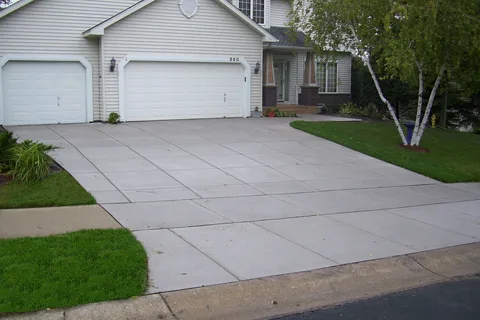
A driveway is more than just a spot to park your car—it’s the first impression of your home. Whether you’re welcoming guests, improving curb appeal, or simply upgrading functionality, choosing the right driveway is essential. From materials to maintenance, this guide will help you understand everything about driveways in a simple, user-friendly way.
Why Your Driveway Matters
Your driveway is a crucial part of your property for several reasons:
- Curb Appeal: A well-designed driveway enhances your home’s appearance instantly.
- Functionality: It provides safe and easy access to your garage or home.
- Property Value: A high-quality driveway can increase your home’s market value.
- Durability: A strong driveway withstands daily wear and extreme weather, saving you money in the long run.
Popular Driveway Materials
Choosing the right material depends on your style preference, budget, and maintenance needs. Here are the most common options:
1. Concrete Driveways
Concrete is durable and versatile. It can be poured in any shape and finished in various textures or colors. Modern techniques even allow stamped patterns to mimic stone or brick. Concrete requires occasional sealing to prevent cracks and maintain its look.
2. Asphalt Driveways
Asphalt is a budget-friendly option that is quick to install. It is flexible, which helps it withstand harsh weather conditions. Regular seal coating every few years can keep it looking fresh and prevent damage.
3. Gravel Driveways
Gravel driveways are cost-effective and easy to install. They offer excellent drainage, reducing the risk of puddles and erosion. However, they require periodic replenishing and weed control.
4. Paver Driveways
Pavers are individual stones or bricks that create a decorative and durable surface. They are ideal for homes looking for a stylish, customizable design. Pavers can be replaced individually if damaged, making maintenance easier.
5. Concrete with Decorative Finishes
For homeowners who want elegance, decorative concrete with patterns, colors, or exposed aggregates is a great choice. It combines durability with a high-end look.
Designing Your Driveway
A well-designed driveway is about more than materials. Consider the following tips:
- Length and Width: Make sure your driveway fits your vehicles comfortably and allows smooth entry and exit.
- Shape and Layout: Straight driveways are simple, while curved driveways add visual appeal and a sense of luxury.
- Drainage: Proper slope and drainage prevent water accumulation, which can damage your driveway.
- Lighting: Installing lights along the edges improves safety and aesthetics.
Maintenance Tips for Longevity
Every driveway material requires care to stay in top condition. Here are some maintenance tips:
- Concrete: Seal every few years, clean regularly, and repair cracks promptly.
- Asphalt: Apply sealant every 2-3 years and fill cracks to prevent water damage.
- Gravel: Replenish gravel periodically and keep weeds under control.
- Pavers: Sweep and wash regularly, and replace damaged pavers as needed.
Signs Your Driveway Needs Repair
Ignoring problems can lead to costly repairs. Watch out for these signs:
- Cracks or potholes forming on the surface
- Water pooling or drainage issues
- Uneven or sunken areas
- Faded or worn appearance
If you notice any of these, consult a professional for repair or replacement advice.
Adding Value with Driveway Features
Driveways aren’t just functional—they can also enhance your home’s style:
- Borders: Adding stone, brick, or decorative edges improves visual appeal.
- Patterns: Herringbone, basket weave, or geometric patterns make your driveway unique.
- Green Spaces: Incorporating small landscaped areas or grass strips softens the hardscape.
- Lighting: Solar or LED lighting can illuminate your driveway at night, providing safety and elegance.
Hiring the Right Professionals
While some homeowners may attempt DIY driveway installation, hiring professionals ensures quality work. Experienced contractors can:
- Recommend the best materials for your budget and style
- Ensure proper slope, drainage, and foundation
- Complete the project safely and efficiently
- Provide long-term maintenance tips
Choosing the right contractor is key. Look for local reviews, check previous projects, and confirm licensing and insurance before committing.
Eco-Friendly Driveway Options
If sustainability matters to you, there are eco-friendly driveway choices:
- Permeable Pavers: Allow water to drain through, reducing runoff and promoting groundwater recharge.
- Recycled Materials: Some driveways use recycled concrete, asphalt, or glass for a sustainable touch.
- Gravel or Grass Driveways: Low-impact options that minimize hard surfaces and heat absorption.
Conclusion
Your driveway is more than just a pathway—it’s a vital part of your home’s appearance, function, and value. Whether you choose concrete, asphalt, pavers, or gravel, investing in quality materials, smart design, and proper maintenance ensures a driveway that lasts for decades.
Remember, a driveway can make your home welcoming, stylish, and functional all at once. If you’re considering a new driveway or a renovation, take the time to explore materials, designs, and professional help. A little planning today can give you a driveway that enhances your home for years to come.